In the fast-paced world of search engine optimization (SEO), a heated debate persists over the effectiveness and influence of artificial intelligence (AI) versus human-created content on rankings. As technology continues to advance and algorithms evolve, companies are grappling with the decision of whether to invest in AI-driven content creation or rely on the creative expertise of human writers. In this article, we will delve into the pros and cons of each approach, exploring which method ultimately reigns supreme in achieving higher SEO rankings. Join us as we navigate through this ongoing debate to uncover which strategy holds the key to success in today’s competitive digital landscape.

The Role of AI in SEO Rankings
- Artificial Intelligence (AI) has revolutionized the way search engines rank content.
- AI algorithms can analyze massive amounts of data to determine relevancy and quality, leading to more accurate search results.
- Machine learning capabilities enable AI to adapt and improve its ranking criteria over time.
In summary, AI plays a crucial role in determining SEO rankings by efficiently evaluating content based on various factors like keywords, backlinks, user engagement metrics, and more. Its ability to continuously learn and refine its algorithms makes it a powerful tool for improving search engine visibility and driving organic traffic to websites. By leveraging AI technology effectively, businesses can stay ahead of the competition in today’s digital landscape.
The Impact of Human Content on SEO Performance
- Authenticity: Human-generated content tends to be more authentic and engaging compared to AI-generated content. This authenticity resonates with users, leading to increased time spent on a webpage and lower bounce rates, both of which are positive signals for search engines.
- Emotional Connection: Humans have the ability to infuse emotion into their writing, creating a connection with readers that can boost engagement metrics like social shares and comments. Search engines recognize these signals and may reward pages with higher emotional resonance in their rankings.
- Creative Flexibility: Humans can adapt their content based on current events, trends, or audience preferences quickly. This flexibility allows for agile responses to changes in the online landscape, helping maintain relevance in search results over time.
Advantages of AI-Generated Content
- Efficiency: AI can produce content at a much faster rate than humans, allowing for quick updates and fresh material on websites. This speed can help Miami marketing companies stay ahead in the ever-changing landscape of SEO.
- Consistency: AI ensures that content follows a consistent style and tone throughout, reducing the risk of inconsistencies that may occur with multiple human writers working on different pieces.
- Data-Driven Insights: AI can analyze vast amounts of data to determine which keywords and topics are most effective for SEO purposes, leading to more targeted and successful content strategies.
In summary, AI-generated content offers efficiency in production, consistency in style and tone, as well as valuable insights driven by data analytics—all factors that contribute to higher rankings in search engine results pages (SERPs).

Benefits of Human-Created Content in SEO
- Authenticity: One of the key advantages of human-created content in SEO is its authenticity. When a person writes content, it can convey emotions, experiences, and unique perspectives that resonate with readers on a more personal level compared to automated content.
- Creativity: Human writers have an innate ability to think creatively and come up with fresh ideas that can engage and captivate audiences. This creativity allows for the development of compelling narratives, storytelling elements, and unique angles that AI may struggle to replicate.
- Quality Control: Humans possess the capacity to understand context, tone, and nuance better than machines. This enables human writers to create high-quality content that is accurate, grammatically correct, and well-researched – factors that play a crucial role in boosting SEO rankings over time.
Challenges of Using AI in Content Creation
- Lack of Creativity: One major challenge with using AI in content creation is its inherent inability to think creatively like humans. While AI can generate content based on patterns and data, it often lacks the unique and imaginative touch that human writers bring to their work.
- Quality Control: Another issue that arises when utilizing AI for content creation is the lack of quality control. AI-generated content may contain errors, inconsistencies, or inaccuracies that could harm a brand’s reputation if not caught before publication.
- Emotionless Tone: Additionally, AI-written content tends to have a robotic and emotionless tone that may fail to resonate with readers on a personal level. Human writers are able to infuse emotion, humor, and personality into their writing, making it more engaging and relatable for the audience.
The Limitations of Human Writers in SEO
- Subjectivity: Humans writers may inject personal biases and perspectives into their content, which can affect the neutrality and accuracy of the information provided. This subjectivity can impact the effectiveness of SEO strategies since search engines prioritize relevance and objectivity in determining rankings.
- Limited Scalability: Human writers have limitations when it comes to producing vast amounts of content at a rapid pace. This constraint hinders scalability in SEO efforts, especially for businesses that require a high volume of optimized content to stay competitive in search engine results pages (SERPs).
- Keyword Optimization Challenges: While human writers possess creativity and linguistic skills, they may struggle with extensive keyword research and optimization techniques required for effective SEO practices. Without an in-depth understanding of search algorithms and trends, human-written content may not fully leverage keywords to enhance visibility online.
Finding the Right Balance: Combining AI and Human Content
- Embracing the Strengths of AI: Artificial intelligence brings unparalleled efficiency in analyzing data, identifying trends, and optimizing content for search engines. Its ability to process vast amounts of information at lightning speed can enhance SEO strategies by delivering targeted keywords, optimizing website structure, and improving overall user experience.
- Leveraging Human Creativity: While AI excels in data-driven tasks, human creativity remains unmatched when it comes to crafting engaging narratives, compelling storytelling, and unique perspectives that resonate with audiences on a deeper level. Incorporating human-generated content adds authenticity, emotion, and relatability to websites, making them more memorable and shareable among users.
- Achieving Synergy through Collaboration: By combining the analytical prowess of AI with the creative flair of human writers, businesses can strike a harmonious balance that maximizes their online visibility while fostering genuine connections with their target audience. This collaborative approach allows organizations to harness the best of both worlds – leveraging technology for data-driven insights while infusing humanity into their content for a personal touch that sets them apart in a competitive digital landscape.
In conclusion,finding the right balance between AI-driven insights and human creativity is keyto not only improving SEO rankings but also creating meaningful interactions that drive customer engagement and loyalty in today’s increasingly digitized world.
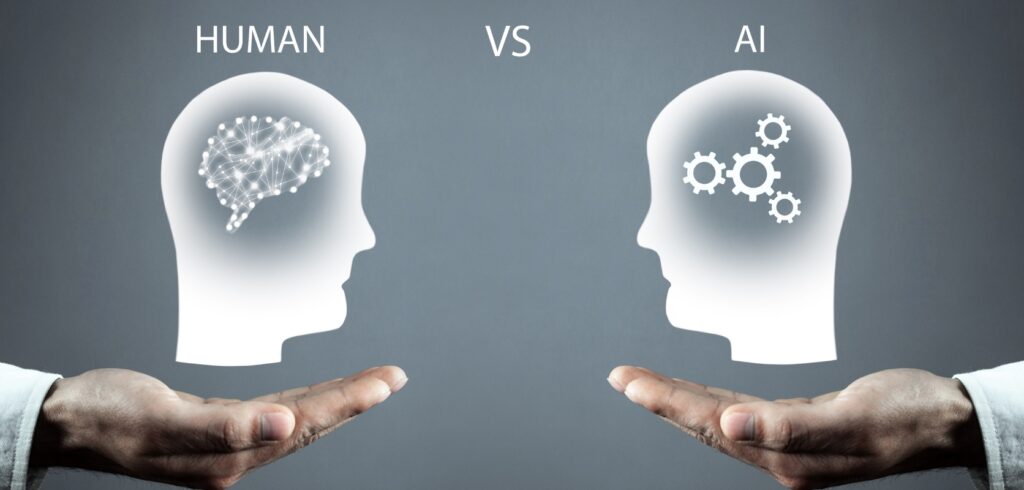
Case Studies: AI vs Human Content in Real-World SEO Strategies
- Case Study 1: AI-Generated Content In a study conducted by an e-commerce website, they utilized artificial intelligence to create product descriptions for their online store. The AI-generated content was optimized with targeted keywords and structured data. Over time, the website saw an increase in search engine visibility and organic traffic as the algorithms identified and ranked this content effectively.
- Case Study 2: Human-Crafted Content On the other hand, a travel blog focused on creating high-quality, engaging travel guides written by experienced writers. Each article was carefully curated to provide valuable information to readers while incorporating relevant keywords naturally throughout the text. As a result, the blog gained loyal followers and achieved top rankings in search results due to its authentic human touch.
- Despite these different approaches, what stands out is that both AI-generated and human-crafted content can be successful in improving SEO rankings when executed strategically. While AI can efficiently generate large volumes of content quickly, human creativity and expertise add depth and authenticity that resonates with audiences on a more personal level, ultimately influencing search engine algorithms positively towards higher rankings.
These case studies demonstrate how leveraging both AI-driven automation tools alongside human expertise can yield optimal results for SEO strategies in practice – striking the right balance between efficiency and authenticity for long-term success online.